


General
Comprising Italy’s extreme southeast peninsula, the region of Apulia is completely different and much less explored than its northern counterpart. Its sunny, mild climate is ideal for grape and olive cultivation. Discover the best of this beautiful region, superlative cuisine and wines, incredible history and architecture, from medieval cathedrals to deserted Greek and Roman ruins and some of the Mediterranean’s most unspoiled beaches.
With medieval Bari as home base for explorations in northern Apulia, stop at quaint Adriatic towns en route to the mysterious, octagonal Castle del Monte, a UNESCO World Heritage Site. Also venture southward through picturesque Trulli, comprised of whitewashed cone buildings seen only in Apulia, en route to Alberobello, another UNESCO site.
Journey out from delightful Lecce, in southern Apulia, during several excursions. You’ll see the unique Castellana Caves; drive through lovely countryside to Gallipoli, nestled along the scenic Ionian Sea; and visit Apulia’s classic town of Otranto en route to the very tip of Italy’s bootheel Santa Maria di Leuca.
Day 1 — Bari, Italy (Northern Apulia)
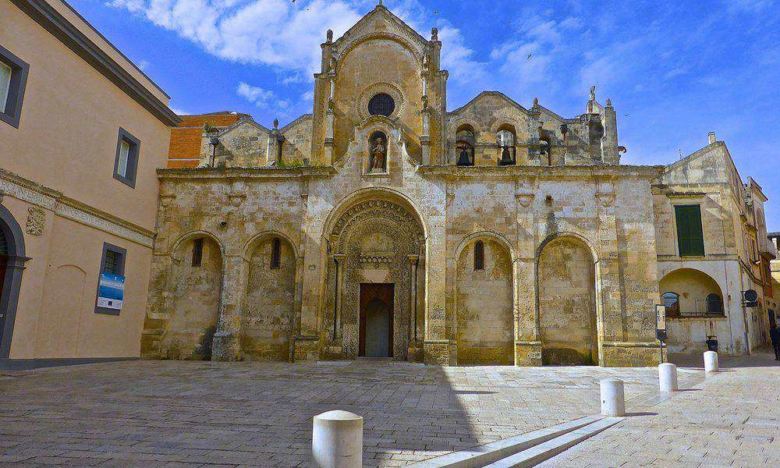
A museum of the ages, Bari, once the Byzantine Empire’s Italian capital, also prospered greatly during the Middle Ages as a port of embarkation for the Crusades. Following lunch, a fascinating walk through old town begins at San Nicola Basilica a fine example of Romanesque architecture dating from the 12th century. Then continue to the inner courtyard of a 13th-century castle built by Frederick II of Hohenstaufen, where you’ll ascend one of two fortification towers for remarkable views.
Day 2 — Bari (for Castle del Monte)
During a full-day excursion along northern Apulia’s Adriatic shores, explore coastal villages such as colorful Bisceglie, with its busy harbor and numerous fishing boats; and Trani, famous for its castle and cathedral. Enjoy a hearty lunch before visiting the 12th-century duomo in nearby Barletta. Then venture inland to the mysterious, octagonal Castle del Monte a UNESCO World Heritage Site built in 1240. Standing atop the Murge Hills, this solitary fortress successfully blends strict architectural planning, balance, and logic with delicate decoration.
Day 3 — Bari (for Alberobello & Trulli Region)
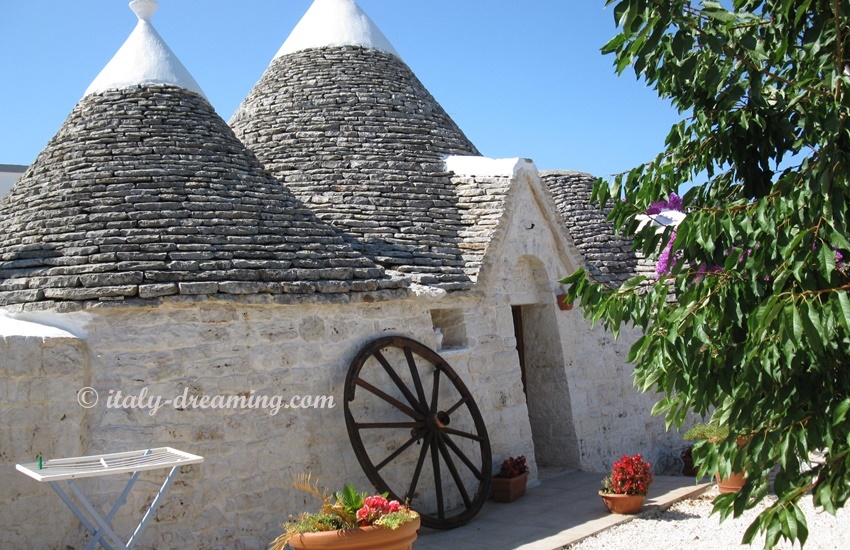
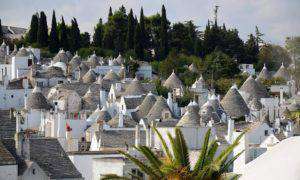
Today, travel southward through Trulli named for the unique whitewashed cone buildings found only here in Apulia. Marvel at the peculiar beehive-like, dry-limestone structures that abundantly dot the scenic countryside. The distinctive round shape, with conical roof, is like nothing ever seen and, no two trulli are alike, each is built individually by hand.
Next, stop in the small town of Alberobello, another of Apulia’s UNESCO World Heritage Sites, and one of the best places to view trulli up close.
Visit Alberobello’s St. Anthony Church, designed and built in true trulli fashion. Perhaps, after today’s excursion, you can discern for yourself the reasons behind this enigmatic architectural style.
Day 4 — Lecce, Italy (Southern Apulia )
Make a scenic overland journey today to the Castellana Caves, just 25 miles southeast of Bari. Only discovered in 1938, this vast network of grottoes created by underground rivers showcases the awesome splendor of nature. Sparkling calcite crystals reflect off the deep, white cave’s bizarre natural “draperies,” comprised of richly colored stalactites and stalagmites — a truly unforgettable image!
After this morning’s speleological explorations, stop at a quaint countryside restaurant for a lunch of local specialties. Then continue your trek down the boot-heel of Italy toward Lecce, at the heart of southern Apulia.
Day 5 — Lecce
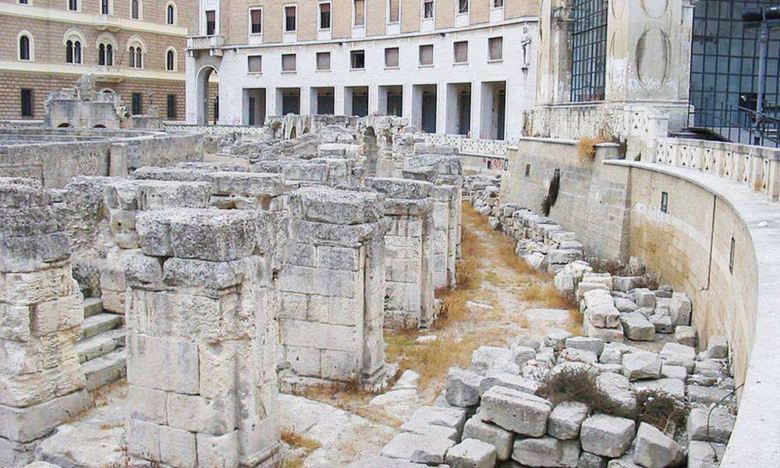
At the very core of Apulia’s Salento plain, historic Lecce dates back to Roman times.
Your morning tour, however, focuses on a more “modern” theme “Baroque Leccese.” A result of great prosperity and splendor in the 16th to 18th centuries, this regal architecture dominates Lecce’s beautiful cityscape.
Stroll among the many rococo and baroque monuments that dramatically reflect this ornate decorative style. First tour the lovely Basilica of the Holy Cross, then explore one of Italy’s finest squares Piazza Duomo.
Day 6 — Lecce (for Salento Peninsula & Gallipoli)
Today’s excursion takes you through outlying hills and valleys, past sprawling olive-tree orchards and lush vineyards to the port city of Gallipoli set in a beautiful region, nestled along the Ionian Sea. Meander through the attractive harbor area of Gallipoli’s old town, connected to Italy’s mainland by a small bridge. Then stop at historic Angevine Castle and the Church of St. Teresa, renowned for its intricate interior. Next, continue to the town’s exquisite Hellenistic fountain, capped off by an impressive baroque pediment.
Day 7 — Lecce (for Otranto & Santa Maria di Leuca)
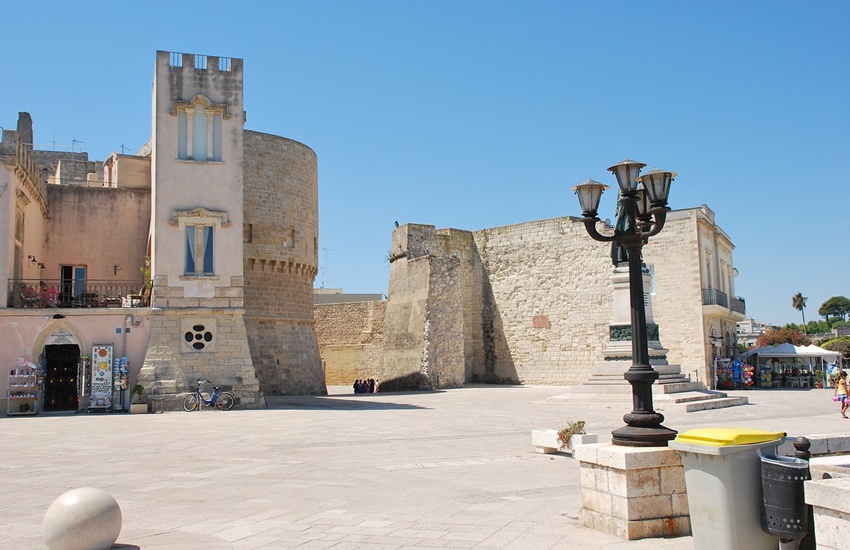
Another highlight of southern Apulia is the classic town of Otranto, which you’ll visit today during a full-day excursion along the Adriatic’s rugged, indented coastline. First, stop at Otranto’s 15th-century castle with its massive cylindrical towers, perched high atop a cliffside overlooking the glistening sea and old town below. Then stroll past the cathedral for a look at its magnificent 12th-century mosaic floor. Marked by rich, vibrant colors and extraordinarily expressive figures, this stunning masterpiece is sure to leave a lasting impression.
Next, journey on to the very tip of Italy’s bootheel Santa Maria di Leuca, where you’ll delight in lunch while overlooking the point where the turquoise waters of the Adriatic and Ionian seas meet.
Contact info
E-MAIL: info@travelsaloon.it
 The Apulian climate is enviable, Mediterranean climate, mild in winter and warm in estate. Coastal development of Puglia exceed 800 km. The lack of industrialization makes clear sea and clean beaches. The climate allows you to make bathing from May to all October. And if you want to enter the hinterland we find the magical